
Blog
The historical journey of gambling from ancient rituals to modern practices

The historical journey of gambling from ancient rituals to modern practices
The Origins of Gambling in Ancient Societies
The practice of gambling has roots that extend deep into human history, with evidence suggesting its existence as far back as 3000 BC in ancient Mesopotamia. Early forms of gambling included the use of dice made from bones and other primitive materials, often employed during rituals and ceremonies. These activities were not merely for entertainment; they were intricately woven into the fabric of society, influencing decisions, predicting outcomes, and even determining social hierarchies. In the modern gaming scene, players can explore the le fisherman casino game from Hacksaw Gaming, which showcases the creativity that has evolved alongside these ancient practices.
In ancient China, gambling was also prominent, with games like keno and dice games reflecting the culture’s views on luck and fate. These early gambling practices reveal a human fascination with chance, a theme that continues to pervade modern gambling behaviors. It is noteworthy that many ancient civilizations, including the Romans and Greeks, incorporated gambling into their festivities, further embedding it into their cultural identities.
The Evolution of Gambling Through the Middle Ages
As society transitioned into the Middle Ages, gambling underwent significant transformations. The period was characterized by the emergence of more organized games and betting systems. In Europe, card games gained popularity, while the concept of betting on outcomes, such as jousts and other competitions, became commonplace. Gambling houses began to emerge, providing dedicated spaces for enthusiasts to engage in these activities.
Despite facing periods of restriction and condemnation by religious authorities, gambling persisted. Various monarchs attempted to regulate or even ban gambling, yet the allure of chance remained irresistible. This era laid the groundwork for modern gambling establishments, as the distinction between casual games and organized gambling began to blur.
The Rise of Gambling in the 18th and 19th Centuries
The 18th and 19th centuries heralded a pivotal moment in the history of gambling, marked by the establishment of formal casinos and gaming regulations. The first official casino opened in Venice in 1638, and by the 18th century, the concept of gambling for profit became widely accepted. This period also saw the birth of lotteries, which were initially used to fund public projects and were embraced by various governments.
In America, the Gold Rush of the mid-19th century attracted a plethora of gamblers, further entrenching gambling culture in the nation’s fabric. The emergence of betting on horse racing became a significant aspect of gambling, leading to the development of racetracks and betting syndicates. This era represented a shift from informal gambling to structured systems, paving the way for modern practices.
The Modern Gambling Landscape
Today, gambling has evolved into a multi-billion-dollar industry, encompassing a wide variety of activities, from traditional casinos to online platforms. The advent of technology has revolutionized the way people engage with gambling, offering unprecedented access and convenience. Online casinos and mobile gaming have made it possible for individuals to gamble from the comfort of their homes, introducing innovative features and game formats.
Moreover, regulatory frameworks have emerged in many regions, allowing for safe and responsible gambling practices. Governments around the world have recognized the economic benefits of gambling, leading to increased legalization and regulation. This modern landscape reflects a blend of ancient rituals and contemporary practices, showcasing gambling’s enduring appeal.
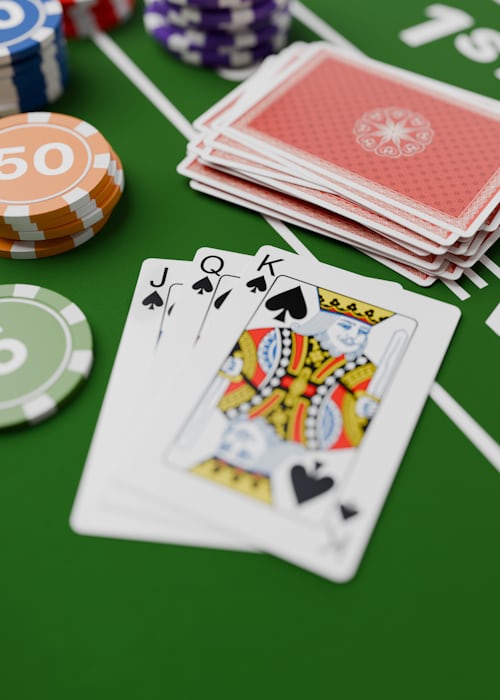
Exploring More About Gambling Online
For those interested in delving deeper into the world of gambling, various online platforms provide extensive resources and games. These websites often feature a vast array of options, ranging from classic table games to innovative video slots. Engaging in online gambling not only offers entertainment but also a chance to learn about the historical evolution of these practices.
Players can access detailed guides and tutorials that enhance their understanding of game mechanics and strategies. Additionally, many sites offer enticing bonuses and promotions, making it easier for newcomers to start their gambling journey. Embrace the thrilling world of gambling and experience its rich history firsthand through modern online gaming platforms.